DIY Fix Strategies for Diagnosing Exhaust Issues at Home
Understanding how to approach a DIY Fix for exhaust-related problems starts with accurate diagnosis. Many vehicle owners overlook early warning signs, assuming exhaust issues are complex or expensive to resolve. In reality, common symptoms such as unusual noises, reduced fuel efficiency, vibrations, or visible rust often point to fixable problems. A methodical inspection using basic tools like a jack stand, flashlight, and gloves can reveal leaks, loose clamps, or corroded sections. Addressing these early prevents minor faults from escalating into system-wide failures that compromise engine performance and emissions compliance.
A structured approach is essential. Start by inspecting the exhaust manifold area for ticking noises during cold starts, then move toward the catalytic converter and muffler. Pay close attention to joints and welds, as these are typical failure points. Home diagnostics save time, reduce unnecessary repairs, and empower vehicle owners to make informed decisions before seeking professional help.
Understanding How Exhaust Systems Fail Over Time
Exhaust systems operate under extreme conditions, constantly exposed to heat cycles, moisture, road salt, and vibration. Over time, metal fatigue and corrosion weaken pipes and components, leading to leaks or structural failure. Short trips worsen the problem because condensation builds up inside the system and never fully evaporates. This trapped moisture accelerates rust formation from the inside out, often making damage invisible until symptoms appear.
Mechanical stress also plays a role. Worn engine mounts or misaligned hangers transfer excess vibration into the exhaust system, causing cracks or broken welds. Knowing these failure mechanisms helps DIY enthusiasts choose the right repair method. Some problems can be patched or reinforced, while others require section replacement. Recognizing the difference is a critical skill in effective exhaust maintenance.
Essential Tools and Materials for Exhaust DIY Repairs
Successful exhaust repair depends heavily on preparation. Basic hand tools such as socket sets, penetrating oil, screwdrivers, and exhaust hanger pliers cover most tasks. For sealing leaks, high-temperature exhaust sealant, repair tape, or clamps are commonly used. More advanced fixes may require a reciprocating saw, pipe expander, or welder, depending on the severity of the damage.
Safety equipment is equally important. Heat-resistant gloves, eye protection, and stable jack stands prevent accidents during undercar work. Working on a cold exhaust system is mandatory, as retained heat can cause serious burns. Having the correct materials on hand ensures repairs are durable rather than temporary, saving time and preventing repeat failures shortly after the fix.
Step-by-Step DIY Fix for Exhaust Leaks
Exhaust leaks are among the most common and manageable issues for home mechanics. They often present as hissing sounds, loss of power, or exhaust fumes entering the cabin. Begin by locating the leak, using soapy water sprayed on suspected areas while the engine is running. Bubbles indicate escaping gases and pinpoint the exact location.
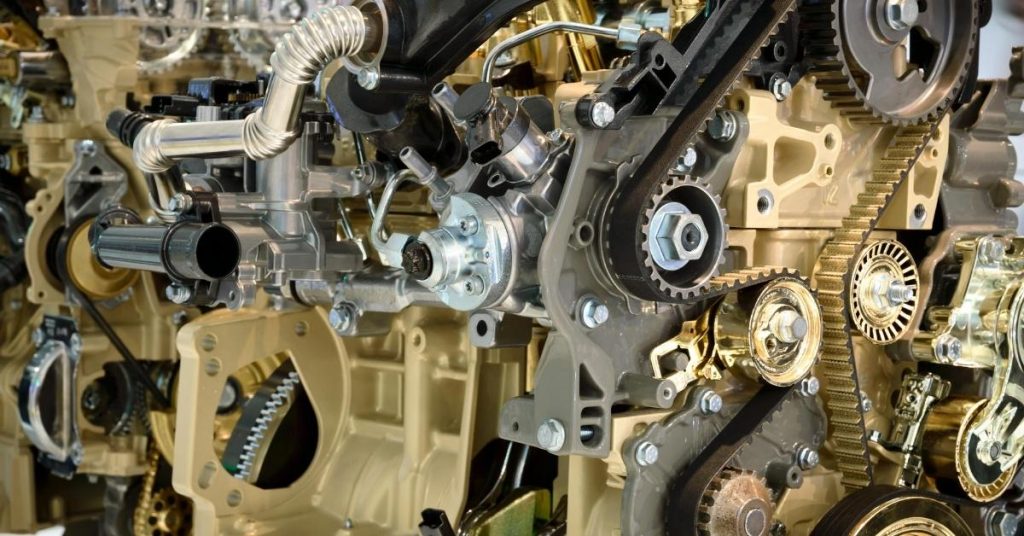
Once identified, clean the area thoroughly to remove rust and debris. Small cracks or pinholes can be sealed using high-temperature exhaust putty or repair tape, followed by a curing period as specified by the manufacturer. Larger gaps may require an exhaust clamp or sleeve. This type of DIY Fix restores proper exhaust flow, reduces noise, and prevents harmful gases from entering the vehicle interior when performed correctly.
Repairing or Replacing Exhaust Clamps and Hangers
Loose or broken clamps and hangers often cause rattling noises, especially when driving over bumps. These components support the exhaust system and maintain proper alignment. When they fail, stress shifts to other parts of the system, accelerating damage. Inspect rubber hangers for cracks or excessive stretching, and check clamps for corrosion or missing bolts.
Replacement is usually straightforward. Remove the damaged part, align the exhaust section correctly, and install the new clamp or hanger according to torque specifications. Ensuring proper alignment prevents future leaks and vibration issues. This repair is low-cost, highly effective, and ideal for beginners looking to build confidence with exhaust-related maintenance tasks.
When to Patch and When to Replace Exhaust Sections
Not all exhaust damage should be patched. Understanding when replacement is necessary saves money in the long run. Surface rust or small holes in non-critical areas can often be repaired successfully. However, extensive corrosion, flaking metal, or damage near flanges and bends typically indicates structural weakness that sealants cannot address.
Replacing a section may sound intimidating, but pre-bent replacement pipes and bolt-on kits simplify the process. Measure carefully, cut the damaged section cleanly, and install the new piece using clamps or welding. Making the right call between patching and replacing ensures the repair lasts and maintains optimal exhaust system performance.
Impact of Exhaust Repairs on Performance and Fuel Efficiency
A compromised exhaust system affects more than just noise levels. Leaks disrupt backpressure, which can confuse oxygen sensors and alter air-fuel ratios. This leads to reduced engine efficiency, sluggish acceleration, and increased fuel consumption. Completing a proper DIY Fix restores correct exhaust flow, allowing sensors to function accurately and the engine control unit to adjust fueling properly.
Drivers often notice smoother acceleration and improved mileage after addressing exhaust issues. In some cases, unresolved leaks can trigger check engine lights or emissions test failures. Timely repairs not only enhance performance but also protect catalytic converters and sensors from damage caused by improper exhaust gas flow.
Preventive Maintenance to Extend Exhaust System Life
Preventive care significantly extends the lifespan of an exhaust system. Regular inspections, especially after winter, help catch corrosion early. Washing the undercarriage removes road salt and debris that accelerate rust formation. Ensuring engine mounts and exhaust hangers remain in good condition reduces unnecessary stress on pipes and joints.
Longer drives occasionally help evaporate internal moisture, reducing internal corrosion. Applying rust-inhibiting sprays to exposed metal surfaces adds another layer of protection. These simple habits minimize the need for frequent repairs and keep the exhaust system functioning efficiently for years.
Common DIY Exhaust Repair Mistakes to Avoid
Many DIY exhaust repairs fail due to avoidable mistakes. One common error is applying sealant to dirty or rusty surfaces, which prevents proper adhesion. Another is overtightening clamps, leading to crushed pipes or uneven sealing. Ignoring alignment issues can also cause premature failure, as misaligned sections experience constant stress during operation.
Using incorrect materials, such as low-temperature sealants, results in quick breakdown under exhaust heat. Patience is crucial; allowing sealants to cure fully before driving ensures durability. Avoiding these mistakes transforms a temporary fix into a long-lasting repair that delivers reliable results.
Legal and Environmental Considerations of Exhaust DIY Fixes
Exhaust systems play a vital role in emissions control. Any DIY Fix must comply with local regulations, particularly concerning catalytic converters and emissions components. Tampering with or removing regulated parts can lead to fines and inspection failures. Always ensure repairs maintain the original function of emissions control devices.
Environmentally, a sealed exhaust reduces harmful gas release into the atmosphere. Proper repairs prevent carbon monoxide leaks and minimize pollution. Responsible DIY work balances performance, legality, and environmental impact, ensuring vehicles remain safe and compliant while benefiting from effective home maintenance.
Building Confidence Through Practical Exhaust Repairs
Successfully completing exhaust repairs builds mechanical confidence and deepens understanding of vehicle systems. Starting with manageable tasks like sealing leaks or replacing hangers develops skills that translate to more complex projects. Over time, DIY enthusiasts learn to evaluate repair quality, anticipate future issues, and maintain their vehicles proactively.
Access to reliable repair guidance is essential for success. Resources focused on practical home solutions, such as those found in the DIY Fix category, help vehicle owners approach repairs methodically and safely. With the right knowledge and preparation, exhaust maintenance becomes a practical, cost-effective part of vehicle ownership rather than a source of uncertainty.
Long-Term Benefits of Mastering DIY Exhaust Fixes
Mastering exhaust repairs delivers long-term benefits beyond immediate cost savings. Vehicles run quieter, cleaner, and more efficiently when exhaust systems are properly maintained. DIY knowledge reduces reliance on workshops for minor issues, freeing resources for major maintenance when truly necessary.
Consistent upkeep also improves resale value, as a well-maintained exhaust system signals responsible ownership. By understanding materials, repair methods, and preventive strategies, drivers gain control over one of the most critical yet overlooked vehicle systems. A thoughtful, well-executed DIY Fix approach transforms exhaust maintenance from a reactive chore into a proactive advantage.